
At a glance
- A refrigerator that stops cooling may have a repairable fault, so call for diagnosis before assuming the compressor has failed.
- Compare the identified part, model family, appliance age and cabinet condition with the work needed to install a replacement.
- Consider documented energy use alongside the repair scope, and have your technician explain the options before deciding.
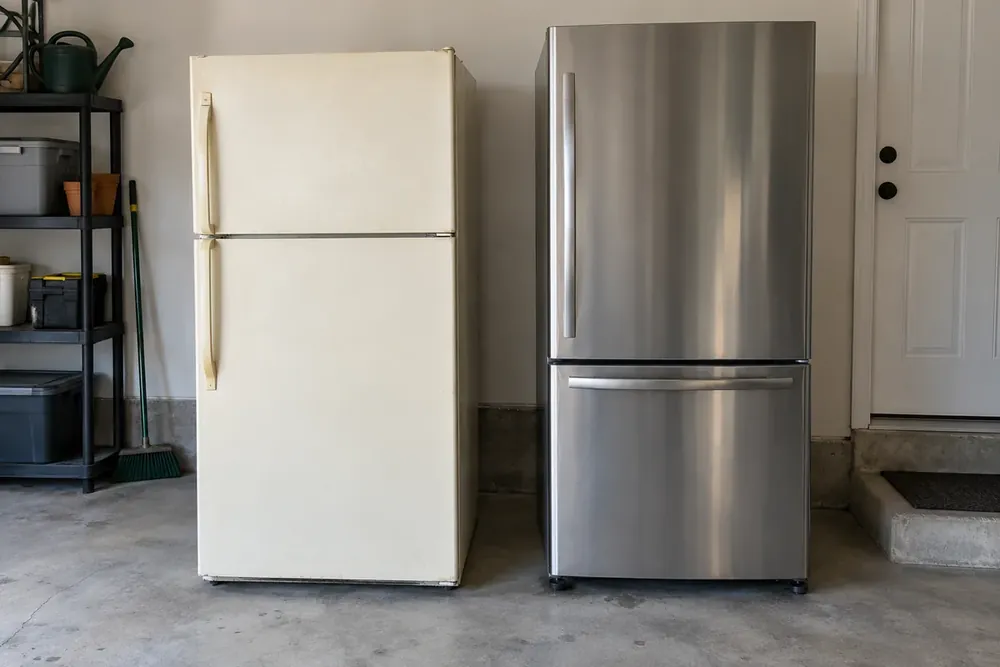
Refrigerator Symptoms Need a Diagnosis First
A warm refrigerator needs its fault identified before repair or replacement becomes a meaningful comparison. Clicking, continuous running and uneven temperatures are observations for your technician, rather than proof that the compressor is finished. Call now; knowing the brand or model helps the discussion, but neither is required to start it.
Age is one factor alongside the failed part, previous repairs, cabinet condition and parts support. A relatively recent refrigerator with severe damage may be a weaker repair candidate than an older, sound unit with an isolated fault. One of our local appliance repair partners explains the proposed work and its price before repair begins, giving you a concrete basis for the decision.
Appliance Condition Sets the Comparison
A repair is usually worth considering when it addresses a defined fault in an otherwise serviceable appliance. The table describes decision factors, not fixed age cutoffs or a recommendation for an unexamined machine.
| Appliance | Usually worth repairing when | Usually replaced when |
|---|---|---|
| Refrigerator | A suitable part addresses an isolated fault and the cabinet and doors remain sound | Several major faults, cabinet damage or unsupported parts make a lasting repair impractical |
| Freezer | The cooling or seal fault is identifiable and the storage compartment is intact | Serious cabinet damage or repeated cooling failures outweigh the proposed repair |
| Washer | A replaceable pump, latch or other identified part is the main problem | Major structural wear and recurring faults affect an aging model with limited parts support |
| Dryer | One diagnosed heating, drive or control fault affects an otherwise sound appliance | Multiple failures or extensive wear make continued repairs a poor fit |
| Dishwasher | A defined drain, latch or control fault affects an intact machine | A damaged tub, repeated leaks or unavailable parts undermine repair |
| Range or oven | The diagnosed cooking fault has a suitable replacement part | Substantial damage or several failing systems favor replacing the appliance |
| Microwave | The identified fault has suitable parts and the door and cabinet are sound | Damage or an extensive repair makes replacement more practical |
Model family matters because two appliances with the same brand name may use different controls, parts and installation arrangements. Compare documented energy use for the existing unit and a proposed replacement; appearance alone does not establish efficiency or savings. Include delivery, installation fit and disposal in the replacement decision.
Dishwasher and Washer Faults Change the Choice
Standing water alone does not settle whether to repair or replace a dishwasher. Your technician distinguishes the drain symptom from tub damage or several unrelated failures. The dishwasher repair or replace decision also includes whether a new unit fits the existing opening and connections.
A washer that leaves wet clothes needs the drain and spin symptoms assessed together. Deciding whether to repair or replace a washing machine involves the identified part and the condition of the drum, cabinet and other systems. A decision to repair or replace a washer should follow that diagnosis rather than a guess based on noise. See repair cost factors for what changes the scope.
Microwave Construction Affects Repair Decisions
A microwave oven can be repaired when diagnosis identifies a serviceable fault, but installation and condition affect the value of that work. An over-the-range unit has mounting and ventilation considerations that a countertop model does not. If a microwave shows door damage or repeated sparking, stop using it and call; your technician determines whether the microwave can be repaired safely.
Keep the outer cover in place. Internal microwave diagnosis is work for your technician, including on a unit that has been unplugged. Repeatedly running a faulty appliance does not resolve the repair-versus-replacement decision.
Freezer and Refrigerator Compressor Assessment
A freezer or refrigerator with a confirmed compressor fault may be repairable through professional compressor replacement. Compressor work is different from repairing a door seal or replacing a control. Your technician considers the rest of the cooling system, matching parts and the appliance's condition before recommending the scope.
A warm compartment alone does not establish that diagnosis. Call for refrigerator repair or freezer repair to discuss the symptoms without opening panels or attempting refrigerant work.
Streamwood Appliance Collection Needs an Arrangement
Streamwood's refuse guidance includes appliance collection, and Groot's Streamwood collection brochure directs residents to schedule white-goods collection with Groot. Arrange removal when choosing replacement rather than treating an old refrigerator as ordinary bagged refuse.
Refrigerators and freezers require special handling: EPA's disposal guidance places responsibility for refrigerant recovery before final disposal on the final disposer. Arrange collection through the village's refuse information or the collection service, and leave refrigerant handling to the people processing the appliance. A repair call does not need to wait for a disposal arrangement.